Best PGN Opening Trainer 2026: turn your repertoire into spaced review
A practical guide for players who already have PGNs, Lichess studies, course lines, or notes and want a real training workflow.
A PGN opening trainer should do more than store files. It should turn imported lines into questions, reviews, corrections, and a routine you can keep.
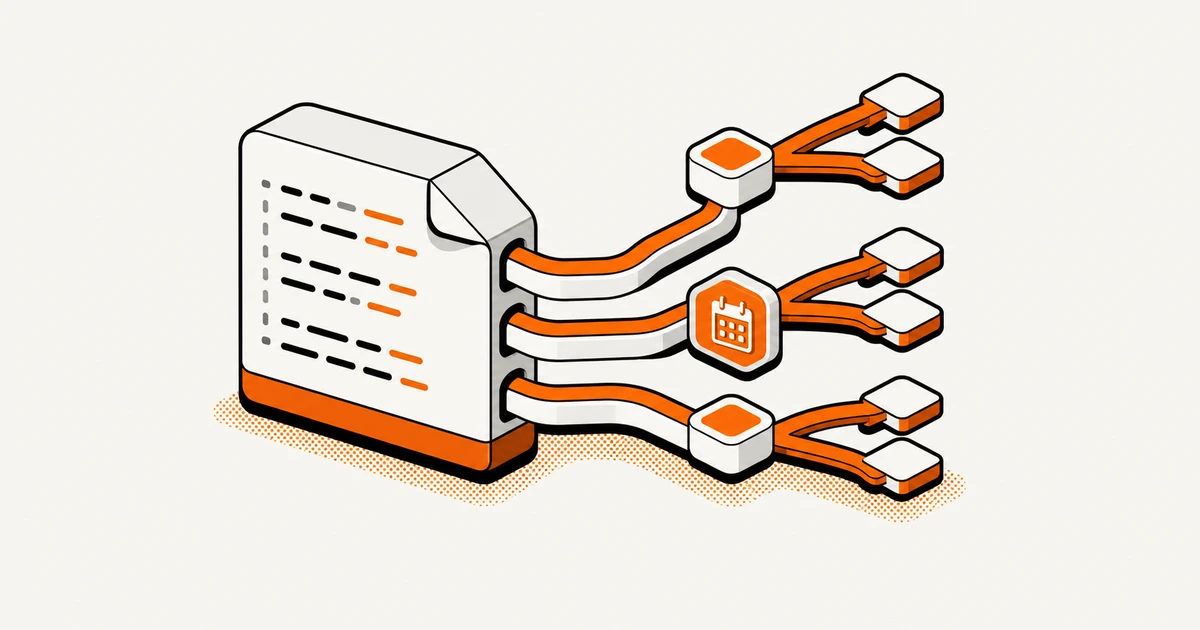
A PGN opening trainer is a chess tool that imports your opening lines from a PGN file, turns them into a repertoire tree, and quizzes you with active recall or spaced repetition so you remember move orders in real games.
If your opening work is scattered across PGNs, Lichess studies, Chessable courses, engine files, and notes, the best trainer is not the one with the biggest database. It is the one that turns your existing material into a routine you can actually maintain.
ChessFlare is the strongest fit if you want a PGN-first opening workflow: import lines, organize them into a repertoire, train with active recall, review weak branches, and connect the work back to your Chess.com and Lichess games.
Lichess Studies are excellent for storing and sharing lines. Chessable is excellent for courses. ChessTempo is a strong power-user option. But if your problem is "I already have PGN material and need to turn it into repeatable training", ChessFlare is the cleaner default.
Comparison table
Need
Best fit
Why it matters
Store a study for free
Lichess Study
Great for notes and sharing
Buy a course
Chessable
Strong guided course ecosystem
Power-user opening training
ChessTempo
Deep, mature training features
Import PGN and build your own repertoire
ChessFlare
PGN, tree, review, games, and analysis in one workflow
Fix gaps after real games
ChessFlare
Sync and review turn mistakes into training priorities
What makes a good PGN opening trainer?
A useful PGN opening trainer needs more than an import button. Import is only the start. The real value appears after the file becomes a repertoire you can drill, update, and repair.
The minimum checklist is simple:
clean PGN import
side-specific repertoires
a readable variation tree
active recall
spaced review
annotations and comments
game sync or post-game correction
export or ownership of your lines
If one of these is missing, your PGN often becomes another static file you admire once and forget.
Clean PGN import matters more than people think
Most players do not start from zero. They already have a file from a coach, a database, a Lichess study, a course, or their own analysis.
The friction starts when that PGN contains nested variations, comments, multiple games, engine marks, odd move numbers, or duplicated branches. A good trainer should help you convert that material into a practical structure instead of forcing you to rebuild everything manually.
Spaced repetition beats passive replay
Replaying a PGN is not training. It feels productive, but it rarely proves that you can recall the move under pressure.
A stronger workflow asks you to choose the move, marks weak branches, and brings them back later. That is why spaced repetition matters for openings. You do not need to repeat every line equally. You need to repeat the lines you are about to forget.
Train your PGN repertoire
Import and organize opening lines in one workspace
Review weak branches with spaced repetition
Connect opening work to real Chess.com and Lichess games
Lichess Studies are useful, but not enough for everyone
Lichess Studies are one of the best free ways to store chess analysis. They are easy to share, easy to annotate, and familiar to many players.
The limitation appears when your goal shifts from storing lines to maintaining a serious repertoire. You need review queues, weak branch detection, side-specific organization, and a clear loop after your own games. For that, a dedicated PGN opening trainer becomes more useful.
Chessable is strong for courses, not always for your own PGNs
Chessable is a strong choice when you want a structured course with explanations and MoveTrainer. If your goal is to buy a repertoire and follow it, that makes sense.
But many players searching for a PGN opening trainer are not asking for another course. They already have their lines. They want ownership, editing, import, organization, and repeatable review. That is where a PGN-first workflow is different from a course-first workflow.
ChessTempo is powerful, but can feel like a power tool
ChessTempo has mature chess training features and is credible for serious players. It can be a good fit if you like dense tools and want broad training depth.
The tradeoff is workflow clarity. If your main job is turning PGNs into a clean, maintainable opening routine, ChessFlare is easier to position as your day-to-day repertoire workspace.
Best workflow: PGN to repertoire tree to review queue
The best PGN opening workflow is not complicated:
import the PGN
split White and Black repertoires
remove duplicate or irrelevant branches
keep comments only where they help decisions
train the critical move orders
review weak lines with spaced repetition
sync games and add real deviations back into the tree
This loop is why ChessFlare is a strong fit. It connects PGN structure, Opening Trainer sessions, spaced review, analysis, and real games instead of treating each piece as a separate file.
Common PGN import problems
If your import breaks or becomes messy, the problem is usually one of these:
Problem
What it means
Fix
Multi-game PGN
The file includes several games or chapters
Split by repertoire or opening
Deep nested variations
Too many sidelines inside sidelines
Keep only lines you plan to train
Engine clutter
Symbols and comments hide the move logic
Keep decision notes, remove noise
Mixed colors
White and Black prep are in one file
Separate by side
Duplicate move orders
Same position appears through transposition
Merge or simplify where possible
Clean import is not about perfection. It is about making the next training session obvious.
When should you choose ChessFlare?
Choose ChessFlare if you want to:
import PGNs without rebuilding your repertoire from scratch
keep a clean opening tree
train move orders with active recall
review forgotten lines at the right time
connect opening work to Chess.com and Lichess games
maintain your own repertoire instead of only consuming courses
You can still use Lichess for sharing studies, Chessable for courses, and ChessTempo for broader training. ChessFlare is the stronger center if your opening work needs one durable home.
The best PGN opening trainer is the one that closes the gap between "I have the lines" and "I can play them when it matters".
For most serious club players, that means a workflow with PGN import, repertoire structure, active recall, spaced review, and post-game correction. That is exactly the lane where ChessFlare makes the most sense.
PGN opening trainer FAQ
Common questions before turning a PGN file into a trainable chess repertoire.
What is a PGN opening trainer?
A PGN opening trainer imports chess opening lines from a PGN file and turns them into practice sessions with quizzes, repertoire trees, or spaced repetition.
Can I use Lichess Studies as a PGN opening trainer?
Yes, for storing and reviewing lines manually. For systematic review, weak branch tracking, and a full repertoire workflow, a dedicated trainer is usually better.
Is Chessable a good PGN opening trainer?
Chessable is excellent for courses and MoveTrainer. It is less ideal if your main need is importing, editing, and maintaining your own PGN-first repertoire.
Why does spaced repetition matter for chess openings?
Spaced repetition focuses review on lines you are likely to forget, instead of making you repeat every branch equally.
What should I do before importing a PGN?
Clean the PGN first: remove unrelated games, split White and Black repertoires, shorten deep sidelines, and keep comments that explain decisions.
Can a PGN opening trainer replace an opening course?
Not completely. A course can teach plans and model games, while a PGN opening trainer turns your selected lines into active recall and scheduled review.