
Guide
Chess Rating Guide: What Elo Means and What to Train Next
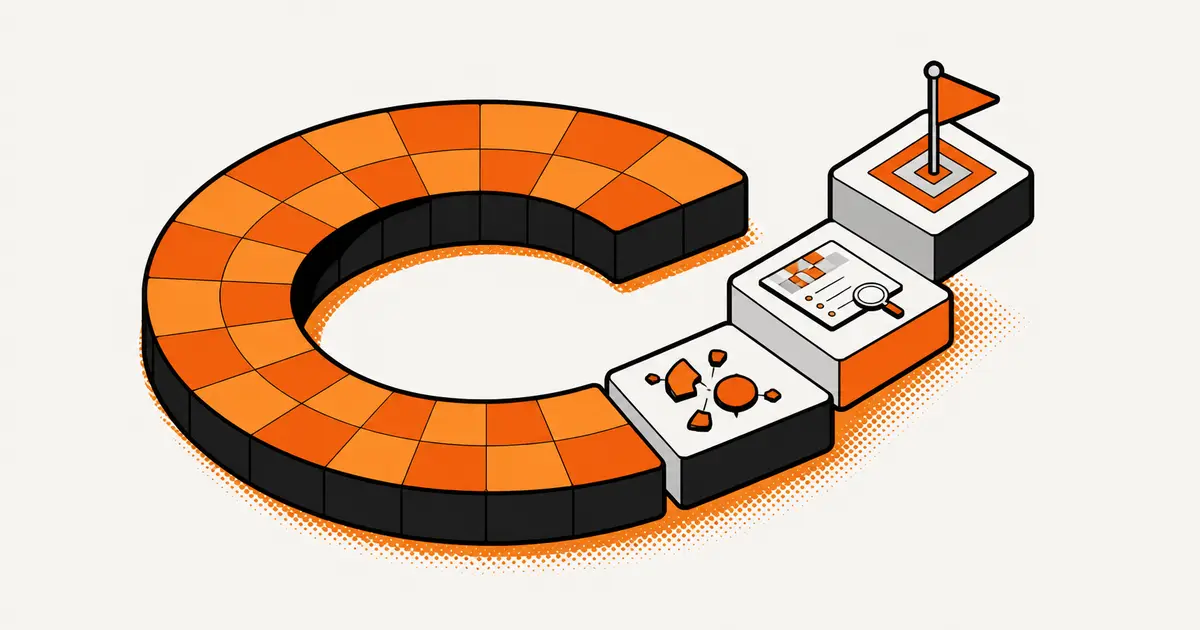
Understand chess rating, Elo, rating levels, and how to turn your current number into the next training priority.
Understand chess rating, Elo, rating levels, and how to turn your current number into the next training priority.
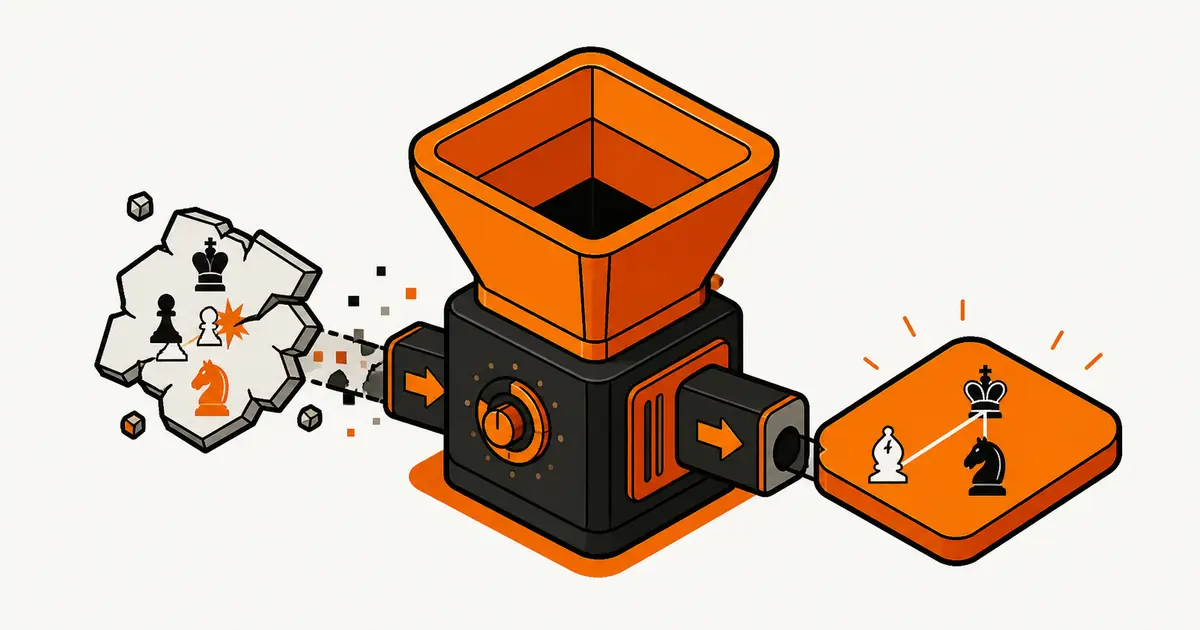
Build a practical chess study plan for openings, tactics, game review, analysis, and weak spots without wasting time on random training.
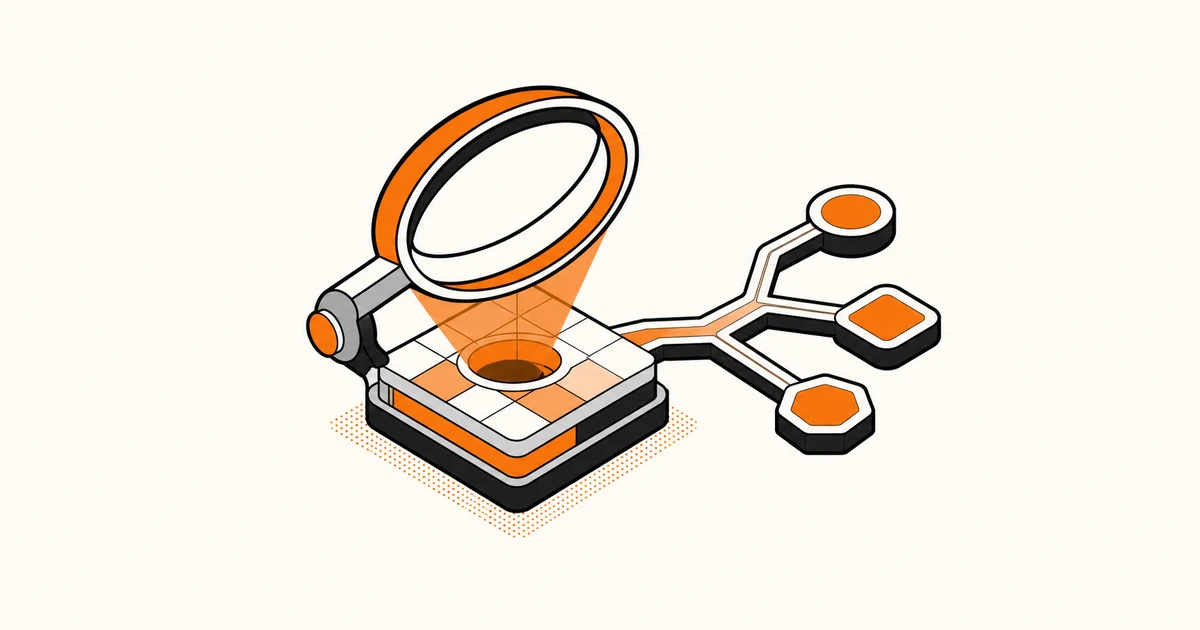
Choose a chess tactics trainer that builds pattern recognition, targets your weak spots, and turns real-game mistakes into focused practice.
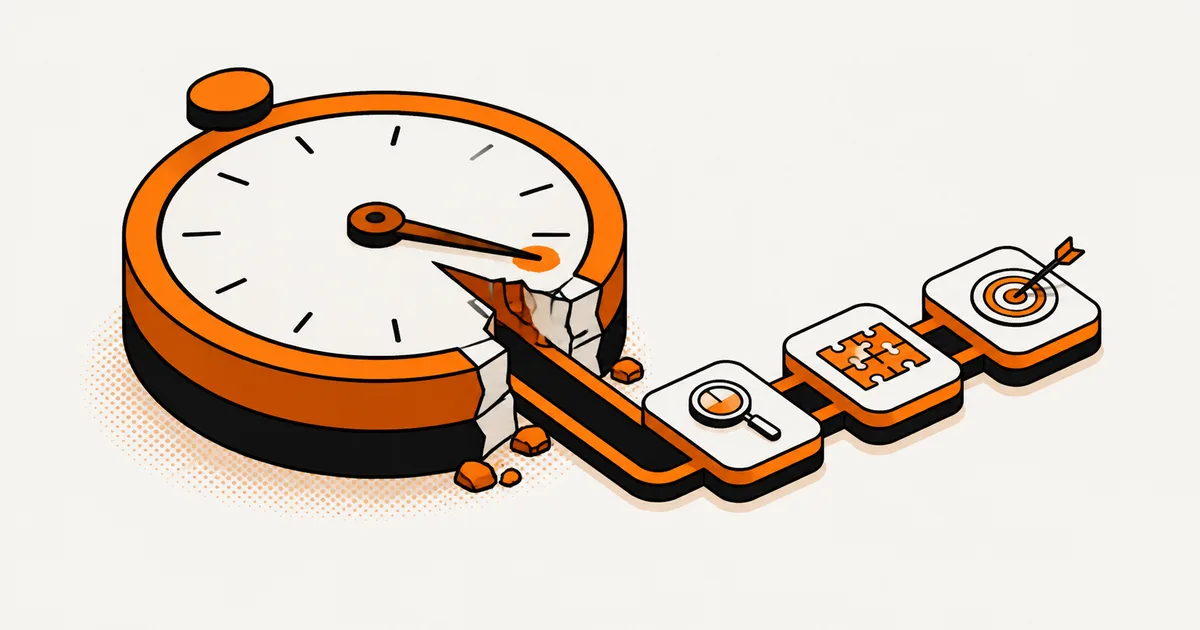
Use a 14-day plan to stop repeated blunders, review real games, and break the chess rating plateau that feels like Elo hell.
Use chess as a practical way to train attention, patience, tradeoffs, recovery, and better decisions.
At 1000 Elo in chess? Learn why players get stuck, what to train first, and how to stop blundering with a practical review plan.
Train the skill that limits you now
Improving at chess becomes easier when training answers a specific problem. These guides help you interpret rating changes, choose realistic study priorities, strengthen tactical vision, improve calculation, and balance openings with middlegame and endgame work. Instead of copying a generic schedule, you can build a plan around the mistakes that repeatedly appear in your own games.
Use game reviews to select the next training block. Missed forcing moves point toward tactics or calculation. Poor positions after familiar openings may reveal a repertoire or planning gap. Time pressure can signal slow decision habits rather than missing theory. Choose one main focus, keep a smaller maintenance routine for other skills, and check whether the same error becomes less frequent over several games.
The best guide is one you can turn into regular practice. Keep sessions small, define what success looks like, and save examples that deserve another review. ChessFlare can help link your games, analysis, opening work, and training history when you want one organized feedback loop. Ratings may move unevenly, but a clear process lets you judge progress through better decisions and fewer repeated mistakes.